

Physiotherapy Clinic Singapore: Personalized Care for Better Recovery
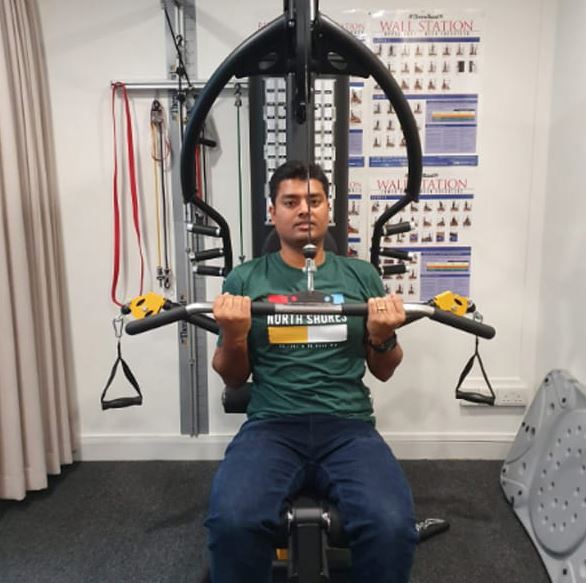
Pain, stiffness, injuries, and reduced mobility can affect everyday life and make simple activities more difficult. Whether discomfort develops from prolonged sitting, sports activities, an injury, poor posture, or a long-term physical condition, professional physiotherapy can help support better movement and physical function. Choosing the right physiotherapy clinic Singapore patients can rely on is an important step toward effective recovery and maintaining an active lifestyle.
Physiotherapy focuses on understanding the individual’s physical condition and creating a suitable treatment approach. Instead of using the same method for everyone, treatment can be adapted according to symptoms, lifestyle, mobility, strength, and recovery goals. Pooja Physiotherapy and Health Care Center provides personalized treatment programs for different musculoskeletal and neurological conditions, with an emphasis on pain management, rehabilitation, mobility improvement, and customized care.
What Does a Physiotherapy Clinic Provide?
A physiotherapy clinic provides professional assessment and treatment for conditions that affect movement, strength, flexibility, balance, and physical function. Physiotherapists work with patients to understand their symptoms and identify factors that may be contributing to discomfort or limited movement.
Treatment may include therapeutic exercises, manual therapy, mobility exercises, posture correction, pain-management techniques, rehabilitation, and lifestyle guidance. The exact combination depends on the individual’s condition and treatment goals.
Physiotherapy can be useful for people recovering from injuries, managing chronic pain, improving physical strength, returning to sports, or restoring movement after surgery.
Conditions That May Benefit From Physiotherapy
People seek physiotherapy for a wide range of physical problems. Common concerns include neck and back pain, joint stiffness, muscle strains, sports injuries, frozen shoulder, arthritis, post-surgical limitations, and mobility problems.
A physiotherapy program may also support people experiencing balance or coordination difficulties and certain neurological conditions. The appropriate treatment depends on the patient’s assessment and individual needs.
A professional evaluation is important because similar symptoms can have different causes. Understanding the underlying problem can help the physiotherapist develop a more appropriate rehabilitation strategy.
Personalized Physiotherapy Treatment
Every person’s body responds differently to treatment. Age, lifestyle, physical activity, previous injuries, occupation, and general health can all influence recovery.
A personalized treatment plan starts with understanding the patient’s condition and goals. The physiotherapist may assess movement, flexibility, strength, posture, balance, and functional limitations before recommending suitable treatment.
At Pooja Physiotherapy and Healthcare Centre, treatment plans are customized according to individual requirements, with advice that can include posture, ergonomics, lifestyle modifications, and exercise. The clinic also emphasizes individualized care and one-client-at-a-time sessions.
Pain Management and Rehabilitation
Pain can affect work, sleep, exercise, and daily activities. Physiotherapy can provide a structured approach to managing both short-term and longer-lasting pain while working on physical factors that may contribute to the problem.
Treatment may include appropriate exercises, manual techniques, movement training, and other physiotherapy methods. Rehabilitation can also help patients gradually rebuild strength and mobility following an injury or surgery.
The goal is to support functional improvement rather than focusing only on temporary symptom relief. Patients can also learn practical strategies that may help them manage their condition outside the clinic.
Physiotherapy for Sports Injuries
Sports and physical activities place additional demands on muscles, joints, tendons, and ligaments. Sudden movements, repetitive activity, inadequate recovery, or accidents can result in sports injuries.
Physiotherapy can support recovery by helping patients restore mobility, strength, flexibility, and confidence. A progressive rehabilitation program may also help individuals return to their preferred activities appropriately.
The clinic provides sports injury assessment, treatment, and rehabilitation for amateur and professional athletes, according to its website.
Posture Correction and Ergonomic Guidance
Poor posture and prolonged sitting can contribute to discomfort, particularly around the neck, shoulders, and back. This is common among people who spend long hours working at a computer or using digital devices.
Physiotherapy can include posture education and ergonomic recommendations to encourage healthier movement habits. Patients may receive guidance on sitting positions, workstation setup, movement breaks, and exercises that support strength and flexibility.
Small changes in everyday habits can complement professional treatment and contribute to better physical function over time.
Improving Strength, Mobility, and Flexibility
Good physical mobility is important for work, exercise, household activities, and independence. Physiotherapy exercises can help improve flexibility, muscle strength, coordination, balance, and range of motion.
Exercise programs should be appropriate for the patient’s condition and physical ability. A physiotherapist can demonstrate suitable exercises and provide guidance on progressing safely.
For older adults, physiotherapy can also support balance, joint health, strength, mobility, and fall prevention. The clinic states that it provides programs designed for seniors as well.
Choosing the Right Physiotherapy Clinic in Singapore
When selecting a clinic, consider the qualifications of the physiotherapists, treatment approach, range of services, personalized care, accessibility, and overall patient experience.
A suitable clinic should take time to understand your condition rather than immediately applying a standard treatment. Clear communication about symptoms, previous injuries, lifestyle, and recovery expectations can help create a more appropriate treatment plan.
Location and appointment availability may also matter, particularly for patients who require regular rehabilitation. The clinic lists weekday and Saturday appointments, with Sunday and public-holiday availability subject to confirmation.
When Should You See a Physiotherapist?
You may consider professional physiotherapy when pain or stiffness continues, repeatedly returns, or begins affecting everyday activities. Physiotherapy can also be useful after an injury, surgery, sports problem, or when mobility and strength have declined.
Common reasons to seek an assessment include persistent neck or back pain, joint stiffness, muscle weakness, reduced range of motion, sports injuries, posture-related discomfort, and difficulty returning to normal activities.
If symptoms are severe, rapidly worsening, or associated with significant weakness, numbness, or serious injury, appropriate medical evaluation should be sought promptly.
Supporting Your Recovery at Home
Recovery does not only happen during a physiotherapy appointment. Following professional recommendations at home can support progress and help develop healthier physical habits.
Depending on the condition, patients may be advised to perform specific exercises, maintain better posture, take regular movement breaks, and gradually increase activity levels. Consistency can be important for building strength and improving movement.
Patients should follow the instructions provided by their physiotherapist and communicate any significant changes in symptoms during treatment.
Final Thoughts
Finding a reliable physiotherapy clinic Singapore patients can trust is an important step when dealing with pain, injuries, mobility limitations, or rehabilitation needs. Professional physiotherapy can combine assessment, pain management, therapeutic exercises, posture guidance, manual techniques, and progressive rehabilitation according to individual requirements.
Pooja Physiotherapy and Healthcare Centre focuses on customized treatment and provides physiotherapy services for various physical conditions, including pain management, sports injuries, rehabilitation, and mobility concerns.
With appropriate professional guidance and consistent participation in the recommended treatment program, patients can work toward improved movement, strength, independence, and quality of life.
Frequently Asked Questions
Can physiotherapy help with office-related neck and shoulder pain?
Yes. Physiotherapy can address posture, muscle stiffness, movement habits, and ergonomic factors that may contribute to discomfort from prolonged desk work.
Is physiotherapy useful after surgery?
Physiotherapy can support post-surgical rehabilitation by helping restore mobility, strength, flexibility, and functional movement under professional guidance.
Can physiotherapy help improve mobility in older adults?
Yes. Treatment can include exercises designed to improve strength, balance, flexibility, coordination, and mobility, depending on the individual’s needs.
Can I receive physiotherapy for a sports injury?
Yes. Physiotherapy can support recovery from various sports-related injuries through assessment, rehabilitation exercises, mobility work, and progressive strengthening.
Can physiotherapy exercises be continued at home?
Yes. Depending on your treatment plan, your physiotherapist may recommend suitable home exercises to support progress between clinic appointments.