

Women’s Health Physiotherapy in Singapore: Supporting Women at Every Stage of Life
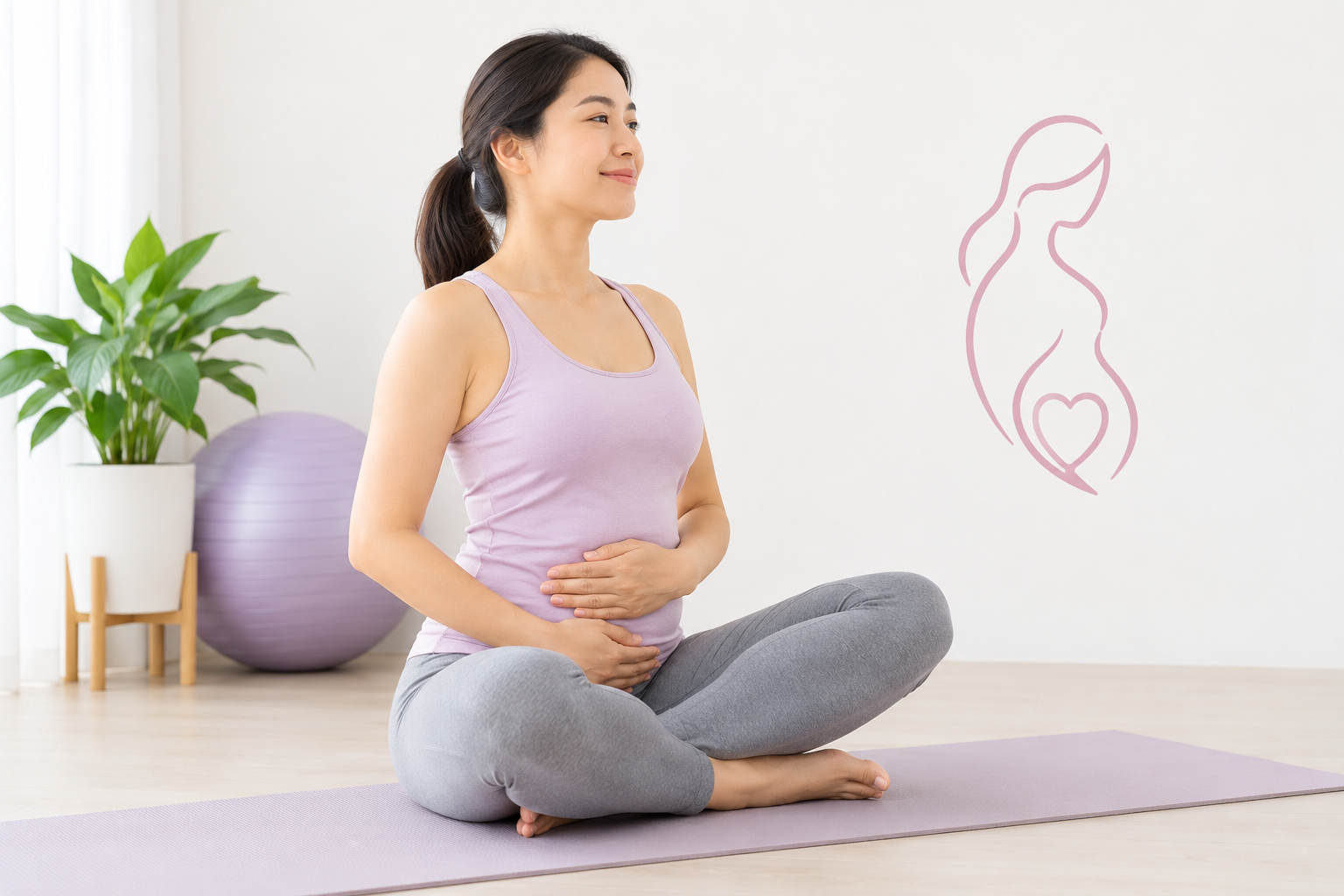
Women experience various physical changes throughout their lives, from menstrual cycles and pregnancy to childbirth and menopause. These changes can affect muscle strength, posture, mobility, pelvic health, and overall physical well-being. While some discomfort may be common during different stages of life, persistent pain or physical difficulties should not be ignored.
Women’s health physiotherapy focuses on addressing these concerns through personalized treatment, therapeutic exercises, and professional guidance. With the right approach, women can improve their physical strength, manage discomfort, and maintain an active lifestyle. Seeking professional Women’s Health Physiotherapy in Singapore can help women understand their bodies better and receive appropriate support for their individual health needs.
Understanding the Importance of Women’s Health Physiotherapy
Women’s health physiotherapy is a specialized area of physiotherapy that addresses physical conditions affecting women throughout different stages of life. It focuses on improving pelvic floor function, abdominal muscle strength, posture, flexibility, and overall movement.
Pregnancy, childbirth, hormonal changes, and everyday physical activities can place additional demands on the body. These changes may contribute to pelvic discomfort, abdominal muscle separation, lower back pain, and weakness in the pelvic floor muscles.
A professional physiotherapy assessment helps identify the possible causes of these concerns and determine suitable treatment options. Instead of following a general exercise routine, women receive guidance based on their symptoms, physical condition, and recovery goals.
Common Women’s Health Conditions That Physiotherapy Can Address
Several physical concerns can affect women’s comfort and daily activities. Women’s health physiotherapy provides targeted support for various conditions.
-
Diastesis Recti (Abdominal Muscle Separation)
Diastesis Recti is a condition in which the abdominal muscles separate along the midline of the stomach. It commonly occurs during pregnancy as the abdominal wall stretches to accommodate the growing baby.
Some women may notice abdominal bulging, reduced core strength, or difficulty performing certain movements. In some cases, it may also contribute to poor posture and lower back discomfort.
Physiotherapy can help assess abdominal muscle function and introduce appropriate strengthening exercises. A guided rehabilitation program focuses on improving core stability, muscle coordination, and functional movement without placing unnecessary strain on the abdominal area.
-
Pelvic Floor Pain and Dysfunction
The pelvic floor muscles support important organs, including the bladder, uterus, and bowel. These muscles also contribute to bladder and bowel control, core stability, and pelvic support.
Weakness, excessive muscle tension, or poor coordination can contribute to pelvic floor dysfunction. Some women may experience pelvic pain, discomfort during daily activities, urinary leakage, or difficulty controlling these muscles.
Pelvic floor physiotherapy focuses on understanding the underlying problem and improving muscle function. Depending on the assessment, treatment may include relaxation techniques, strengthening exercises, breathing guidance, and movement education.
-
Pregnancy-Related Back and Pelvic Pain
During pregnancy, the body undergoes several physical changes that can affect posture, balance, and movement. Increased body weight and changes in the body’s centre of gravity may place additional stress on the lower back, hips, and pelvis.
These changes can sometimes lead to discomfort while walking, standing, sleeping, or performing everyday activities.
Suitable physiotherapy exercises can help improve flexibility, support muscle strength, and encourage better posture. Treatment is adjusted according to the pregnancy stage and individual physical needs.
Benefits of Pre and Postnatal Physiotherapy
Pregnancy and childbirth involve significant physical demands. Physiotherapy can provide valuable support before and after delivery by helping women maintain strength, improve movement, and gradually return to their usual activities.
Prenatal Physiotherapy: During pregnancy, appropriate exercises can help improve posture, maintain muscle flexibility, and support core and pelvic floor function. Women may also receive guidance on safe movements, breathing techniques, and body positioning.
Postnatal Physiotherapy: After childbirth, the body needs time and appropriate support to recover. Postnatal rehabilitation may focus on rebuilding abdominal strength, improving pelvic floor coordination, addressing Diastesis Recti, and managing back or pelvic discomfort.
The recovery process is different for every woman. A physiotherapist can recommend suitable exercises based on the type of delivery, recovery progress, symptoms, and medical advice.
How Physiotherapy Supports Better Women’s Health
A personalized physiotherapy program offers several benefits for women experiencing physical discomfort or weakness.
- Improved Core Strength: Targeted exercises help restore abdominal muscle control and improve stability.
- Better Pelvic Floor Function: Appropriate training can improve pelvic floor coordination, strength, and relaxation.
- Posture Improvement: Postural exercises and movement education help address physical strain associated with pregnancy and everyday activities.
- Enhanced Mobility: Stretching and strengthening exercises support flexibility and comfortable movement.
- Better Physical Confidence: Understanding how to move and exercise safely can help women gradually return to their daily routines.
The results depend on the individual’s condition, consistency, and response to treatment.
Why Choose Personalized Women’s Health Physiotherapy?
Every woman’s body and health journey are different. Therefore, treatment should be designed according to individual concerns rather than following a standard exercise program.
At a professional physiotherapy clinic, an assessment helps understand symptoms, muscle function, movement limitations, and personal recovery goals. Based on these findings, the physiotherapist can recommend appropriate exercises and treatment techniques.
At Pooja Physiotherapy & Health Care Centre, women’s health services include evaluation and treatment for Diastesis Recti, pelvic floor pain and dysfunction, and pre- and postnatal exercises. The clinic emphasizes personalized treatment approaches and exercise-based rehabilitation to support individual needs.
Professional guidance also helps women understand which activities are appropriate for their physical condition and when exercises should be progressed.
When Should You Consider Women’s Health Physiotherapy?
Women may benefit from a physiotherapy assessment when experiencing persistent pelvic discomfort, abdominal muscle separation, weakness after childbirth, pregnancy-related back pain, or difficulties with pelvic floor muscle control.
You should also consider professional guidance if physical discomfort affects your ability to exercise, walk, lift objects, or perform everyday activities.
Early assessment can help identify potential problems and establish a suitable treatment approach. However, severe or unexplained pain, unusual bleeding, or other concerning symptoms should be evaluated by an appropriate medical professional.
Conclusion
Women’s health deserves attention and professional support at every stage of life. From managing pelvic floor dysfunction and Diastesis Recti to maintaining strength during pregnancy and recovering after childbirth, physiotherapy can play an important role in improving physical well-being.
Choosing Women’s Health Physiotherapy in Singapore provides an opportunity to receive personalized care, appropriate exercises, and professional guidance based on individual needs. With a structured rehabilitation approach and consistent participation, women can work towards better strength, mobility, comfort, and confidence.
Frequently Asked Questions
-
What is women’s health physiotherapy?
Women’s health physiotherapy focuses on physical conditions affecting women, including pelvic floor dysfunction, Diastesis Recti, pregnancy-related discomfort, and postnatal recovery.
-
Can physiotherapy help with Diastesis Recti?
Yes. A physiotherapist can assess abdominal muscle separation and recommend suitable exercises to improve core strength, muscle coordination, and stability.
-
When can I start postnatal physiotherapy?
The appropriate time depends on your delivery, recovery, symptoms, and medical advice. A professional assessment can help determine when and how to begin suitable exercises.
-
Can I receive physiotherapy during pregnancy?
Yes. Suitable physiotherapy and pregnancy-appropriate exercises can support posture, flexibility, strength, and physical comfort. Treatment should always be adapted to the pregnancy stage and individual health needs.
-
How many physiotherapy sessions are required?
The number of sessions varies depending on the condition, symptoms, and treatment goals. Your physiotherapist can recommend a suitable treatment schedule after an initial assessment.
Take the First Step towards Better Women’s Health
Your health and well-being matter at every stage of life. Get professional support to improve strength, manage discomfort, and support your recovery with personalized physiotherapy care.
Book your appointment today!
Call: +65 6384 5452
WhatsApp: +65 8322 3371
Email: info@physiopooja.com.sg
Website: https://www.physiopooja.com.sg/