

Why Muscle Recovery Matters for an Active and Healthy Lifestyle
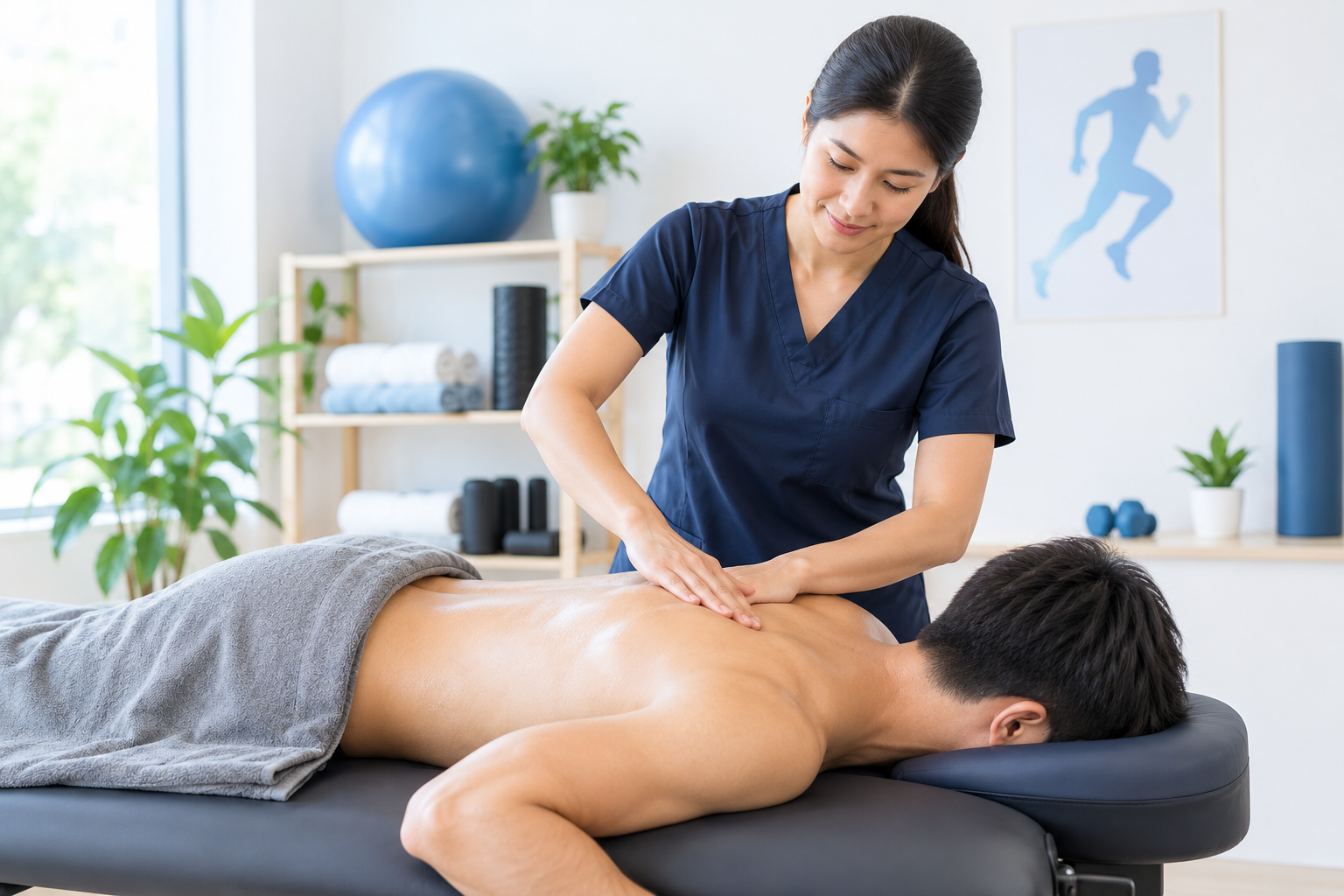
Maintaining an active lifestyle is important for physical fitness, strength, and overall well-being. Whether you enjoy going to the gym, running, cycling, swimming, or participating in recreational sports, your muscles work hard to support your daily activities. However, regular physical activity can sometimes lead to muscle fatigue, tightness, stiffness, and discomfort. Giving your body enough time and attention to recover is just as important as maintaining a consistent exercise routine.
Muscle recovery helps your body adapt to physical demands and prepare for future activities. Without proper recovery, muscle tension and discomfort may affect your movement, exercise performance, and daily routine. Professional massage therapy, stretching, and appropriate physiotherapy guidance can support muscle relaxation and improve physical comfort. For individuals looking for Sports Massage Singapore, understanding the importance of muscle care is a useful first step towards maintaining an active lifestyle.
Understanding the Importance of Muscle Recovery
During physical activities, muscles repeatedly contract and experience varying levels of stress. Intense workouts, repetitive movements, and prolonged physical activity may cause temporary muscle fatigue and soreness.
Recovery allows the body to repair and adapt after exercise. It involves several factors, including sufficient rest, hydration, balanced nutrition, appropriate movement, and muscle care.
Ignoring recurring muscle tightness may make everyday activities uncomfortable. For example, stiffness in the legs can affect walking or running, while tension around the neck and shoulders may make desk work more difficult.
Developing healthy recovery habits can help maintain flexibility, support comfortable movement, and prepare your body for regular physical activities.
Common Causes of Muscle Tightness and Discomfort
Muscle tension can affect people with different lifestyles and fitness levels. Some common causes include:
- Intense Exercise: Heavy workouts and demanding training sessions can contribute to temporary muscle soreness and fatigue.
- Repetitive Movements: Performing the same physical movements repeatedly may place additional stress on particular muscle groups.
- Poor Posture: Sitting for extended periods or maintaining uncomfortable positions can contribute to neck, shoulder, and back tension.
- Insufficient Recovery: Not allowing enough rest between demanding workouts may affect muscle recovery.
- Physical Overuse: Excessive physical activity without appropriate conditioning can increase the likelihood of muscle discomfort.
Understanding these causes can help you make better decisions about exercise, recovery, and professional care.
How Massage Therapy Supports Muscle Relaxation
Massage therapy is commonly used to address muscle tightness and promote physical relaxation. It involves applying controlled pressure and specific techniques to muscles and surrounding soft tissues.
Sports massage focuses on muscle groups that experience stress through exercise, training, and repetitive physical activities. It may be particularly helpful for individuals experiencing tightness, muscle knots, and tension after demanding activities.
Some potential benefits include:
-
Helps Relax Tight Muscles
Targeted massage techniques can help relax muscles that feel stiff or tense. This may improve physical comfort and make everyday movements easier.
-
Addresses Muscle Knots
Muscle knots are commonly described as sensitive areas of tightness within muscle tissue. Massage techniques can focus on these areas to help reduce the sensation of tension and discomfort.
-
Supports Local Circulation
Massage may encourage local blood circulation in the treated areas. Healthy circulation plays an important role in delivering oxygen and nutrients to body tissues.
-
Promotes Physical Relaxation
Physical activity and everyday stress can contribute to muscular tension. A suitable massage session can encourage relaxation and help individuals feel more comfortable.
-
Supports an Active Lifestyle
Including appropriate massage therapy in a recovery routine may help active individuals manage muscle tightness and maintain better physical comfort.
The effects of massage vary depending on the person’s condition, treatment approach, and overall recovery habits.
Which Muscle Groups Commonly Need Attention?
Different activities place different demands on the body. Identifying areas of tension can help determine which muscles may benefit from professional assessment and suitable treatment.
Neck and Shoulders: Office workers, gym enthusiasts, and individuals who perform repetitive upper-body movements may experience stiffness around the neck and shoulders. Massage and posture-related guidance can help address muscular tension.
Back Muscles: Prolonged sitting, heavy lifting, and incorrect exercise techniques may contribute to back muscle discomfort. Appropriate treatment can help relax tense muscles and improve comfort.
Legs and Calves: Running, cycling, walking, and strength training place repeated demands on the lower body. Massage may help address tightness in the calves, hamstrings, and thigh muscles.
Arms and Upper Body: Activities such as swimming, tennis, and weightlifting can contribute to muscle fatigue in the arms and shoulders. Targeted massage may help promote relaxation in these areas.
When Should You Consider Professional Massage Therapy?
Occasional muscle soreness after exercise is common. However, recurring tightness, stiffness, or discomfort may indicate that your body needs additional attention.
You may consider professional massage therapy if you experience persistent muscle tension, tightness after workouts, muscle knots, or discomfort associated with repetitive movements.
A professional assessment is important before choosing a treatment approach. Not every type of muscle pain is suitable for massage. Acute injuries, significant swelling, unexplained pain, or suspected muscle tears require appropriate medical or physiotherapy assessment.
At Pooja Physiotherapy & Health Care Centre, sports massage is offered using therapy techniques that help address muscle knots and tension, promote relaxation, and support the management of inflammation. Treatment should be selected according to individual needs and physical condition.
Simple Recovery Habits for Healthier Muscles
Professional massage can complement your recovery routine, but everyday habits also play an important role in maintaining healthy muscles.
Consider following these simple practices:
- Warm up properly before starting intense workouts.
- Include gentle stretching and mobility exercises.
- Drink sufficient water throughout the day.
- Allow enough rest between demanding exercise sessions.
- Avoid increasing workout intensity too quickly.
- Maintain proper posture during work and daily activities.
- Follow a balanced diet that supports your physical activity.
- Seek professional advice if muscle discomfort persists.
Combining these habits with suitable physiotherapy support can help you maintain a more balanced approach to fitness and recovery.
Choosing the Right Care for Your Muscle Health
Every individual has different physical requirements, activity levels, and recovery goals. Therefore, muscle care should be based on an understanding of your symptoms and lifestyle.
At Pooja Physiotherapy & Health Care Centre, personalized physiotherapy services are available to support individuals experiencing different physical concerns. The clinic offers sports massage, sports injury rehabilitation, and acute and chronic pain management.
The treatment approach focuses on understanding individual needs and providing suitable therapy and recovery guidance. Whether you are physically active or experiencing muscle tension from everyday activities, professional support can help you explore appropriate options for improving physical comfort.
Conclusion
Muscle recovery is an essential part of maintaining an active and healthy lifestyle. Exercise, repetitive movements, and everyday physical demands can contribute to muscle fatigue and tension. Giving your body appropriate care through rest, stretching, hydration, and professional therapy can support better physical comfort.
Sports massage can be a useful addition to a suitable muscle-care routine by helping address tightness, muscle knots, and physical tension. With consistent recovery habits and personalized physiotherapy guidance, you can take positive steps towards maintaining flexibility, comfortable movement, and overall well-being.
Frequently Asked Questions (FAQs)
-
What is the purpose of sports massage?
Sports massage focuses on muscles and soft tissues affected by physical activities. It aims to address muscle tension, reduce the sensation of tightness, and promote relaxation.
-
Can massage therapy help with muscle knots?
Yes. Targeted massage techniques may help relax tense muscles and surrounding tissues, improving comfort in areas affected by muscle knots.
-
Is massage therapy suitable for office workers?
Yes. Office workers who experience neck, shoulder, and back tension due to prolonged sitting or repetitive movements may benefit from appropriate massage therapy.
-
How often should I receive a sports massage?
The frequency depends on your activity level, muscle condition, and recovery goals. A physiotherapist can recommend a suitable schedule based on your individual requirements.
-
Can massage improve flexibility?
Massage may help reduce the sensation of muscle tightness, making movement and stretching more comfortable. Combining it with appropriate mobility exercises can further support flexibility.
Give Your Muscles the Attention They Deserve!
Take a positive step towards better muscle health with professional physiotherapy support. Explore suitable massage therapy to address muscle tension, promote relaxation, and support your active lifestyle.
Book your appointment today!
Call: +65 6384 5452
WhatsApp: +65 8322 3371
Email: info@physiopooja.com.sg
Website: https://www.physiopooja.com.sg/