

Struggling with Persistent Tendon Pain? Understanding Shockwave Therapy and Your Treatment Options
Persistent tendon pain can affect your ability to work, exercise, participate in sports, and complete everyday activities. What begins as mild discomfort may gradually become a recurring problem, especially when the affected area is exposed to repeated physical stress. Although rest and basic pain management can sometimes help, certain long-standing conditions require a more structured rehabilitation approach.
Shockwave Therapy is one of the treatment options used in physiotherapy for selected chronic tendon and soft tissue conditions. It uses controlled acoustic waves to stimulate targeted tissues and may help manage pain as part of an individualised treatment programme. Understanding when this approach may be useful, how it works, and what happens during treatment can help patients make informed decisions about their physical health.
Why Does Tendon Pain Sometimes Become Persistent?
Tendons are strong connective tissues that attach muscles to bones. They play an important role in transferring force during activities such as walking, running, lifting, and jumping.
Repeated movements, excessive exercise, sudden increases in training intensity, and inadequate recovery can place additional stress on these tissues. Over time, some people develop tendon-related conditions that cause discomfort, stiffness, and reduced physical function.
For example, a person with heel pain may struggle with morning walks, while someone experiencing elbow discomfort may find it difficult to grip objects or lift household items. These problems can interfere with daily routines if they are not appropriately managed.
Identifying the underlying cause is essential because not all tendon and muscle problems require the same treatment.
What Is Shockwave Therapy?
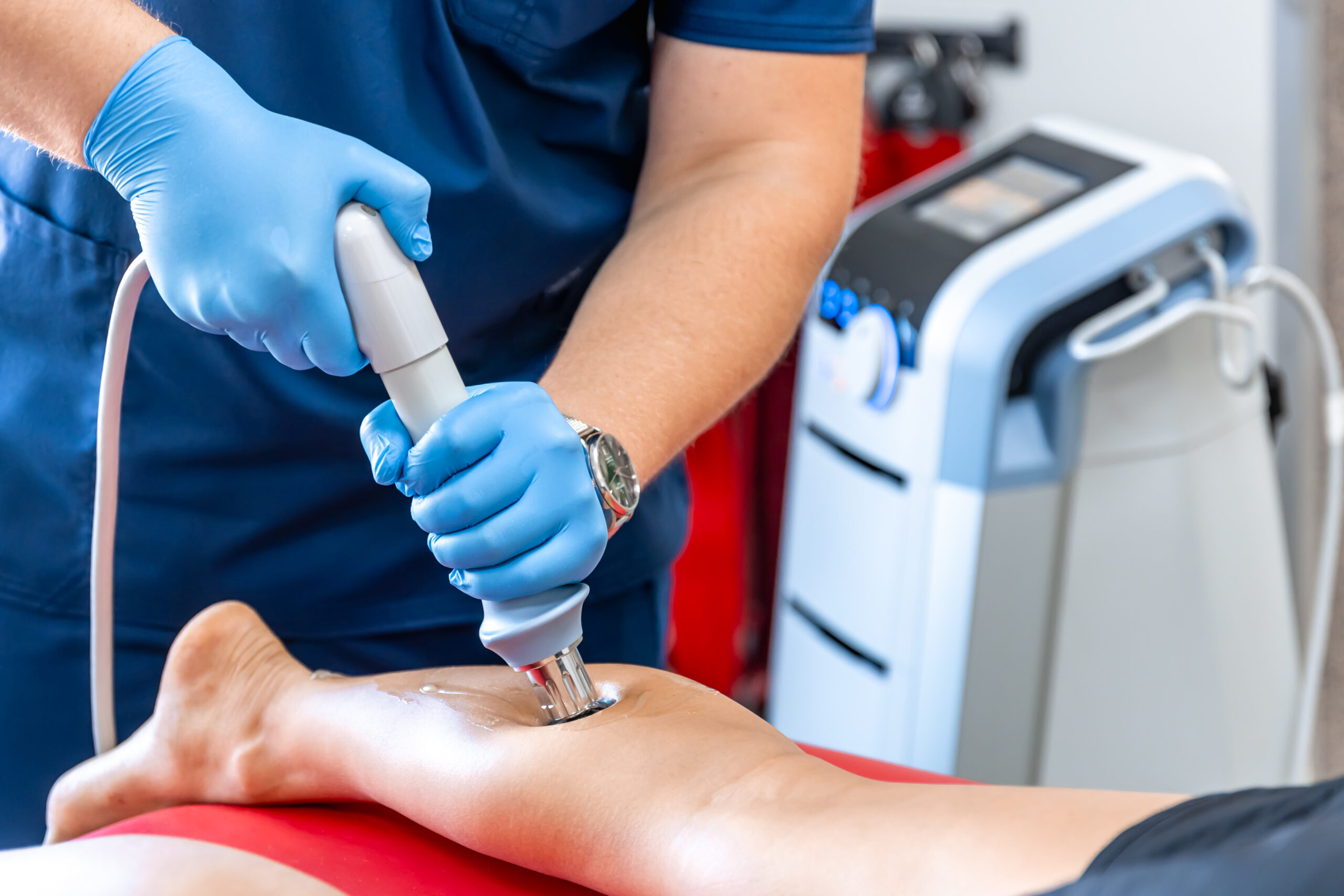
Extracorporeal Shockwave Therapy (ESWT) is a non-invasive treatment that delivers controlled acoustic pressure waves to a specific area of the body using a specialised device.
These mechanical waves stimulate the targeted tissues and may influence local circulation, pain sensitivity, and cellular responses associated with tissue recovery.
The treatment is commonly considered for selected conditions involving tendons and soft tissues. It does not require surgical incisions and is generally performed as an outpatient procedure.
However, the treatment is not suitable for every type of injury. A physiotherapist must first assess the affected area, symptoms, medical history, and physical requirements before recommending it.
Five Conditions Where Shockwave Therapy May Be Considered
-
Plantar Fasciitis
Plantar fasciitis is associated with irritation and degeneration of the plantar fascia, the thick band of tissue running along the bottom of the foot. Common symptoms include heel pain during the first steps in the morning or after prolonged sitting.
For selected patients with persistent symptoms, this treatment may be considered alongside calf stretching, strengthening exercises, and suitable footwear recommendations.
-
Tennis Elbow and Golfer’s Elbow
These conditions affect tendons around the elbow and can develop due to repetitive gripping, lifting, or wrist movements. They are not limited to athletes and may also affect people who perform repetitive tasks at work.
A suitable rehabilitation programme may combine pain management, gradual strengthening, activity modification, and shockwave treatment when clinically appropriate.
-
Shin Pain
Shin discomfort is commonly experienced by runners and people participating in repetitive impact activities. Medial tibial stress syndrome, commonly called shin splints, is one possible cause.
The correct diagnosis is important because stress injuries and other conditions can produce similar symptoms. Treatment should be selected according to the underlying problem.
-
Achilles Tendinopathy
The Achilles tendon connects the calf muscles to the heel bone. Repeated loading from running, jumping, or sudden changes in exercise intensity may contribute to tendon problems.
For selected persistent cases, acoustic wave treatment may be considered with progressive calf strengthening and appropriate activity management.
-
Selected Neck and Back Soft Tissue Conditions
Some chronic neck and back problems involve soft tissue discomfort and movement limitations. The causes can vary considerably, so a detailed assessment is necessary.
Shockwave treatment may be considered for selected soft tissue presentations, but it is not a general treatment for all spinal pain conditions.
What Should You Expect Before and During Treatment?
Before starting treatment, a physiotherapist evaluates the patient’s symptoms, medical background, movement patterns, and recovery goals. This helps establish whether the technique is appropriate and whether other investigations or treatment approaches are necessary.
If recommended, a coupling gel may be applied to the skin over the treatment area. The physiotherapist then uses a specialised applicator to deliver controlled acoustic pulses.
Patients may experience tapping sensations or temporary discomfort during the procedure. The treatment intensity can be adjusted according to individual tolerance.
Mild soreness, redness, or temporary swelling may occur afterwards. Patients should follow professional advice regarding exercise, physical activity, and recovery between sessions.
The number of sessions depends on the diagnosis, severity of symptoms, and individual response. There is no single treatment schedule suitable for everyone.
Why Is a Personalised Physiotherapy Plan Important?
Using one treatment technique without addressing the factors contributing to an injury may not provide the desired functional improvement.
A personalised rehabilitation programme considers the patient’s physical condition, lifestyle, work requirements, and activity goals. Depending on individual needs, it may include:
- Therapeutic exercises: Improve muscle strength and the ability of tendons to tolerate physical demands.
- Stretching techniques: Support flexibility and comfortable movement.
- Posture and movement education: Help identify habits that may contribute to repeated strain.
- Activity modification: Reduce excessive loading while maintaining appropriate movement.
- Progressive rehabilitation: Prepare patients to return gradually to their normal activities.
Combining suitable treatment modalities with guided exercise can help patients work towards better mobility, strength, and physical independence.
Is This Treatment Safe for Everyone?
Shockwave treatment is generally well tolerated when administered appropriately, but it is not suitable for every patient. Pregnancy, active infection, certain bleeding disorders, and specific medical conditions may require additional precautions or make treatment unsuitable.
Patients should inform their physiotherapist about existing health conditions, medications, recent injections, and previous injuries before beginning treatment.
It is also important to understand that results vary. The treatment may help some patients, while others may benefit more from alternative rehabilitation approaches. A professional assessment helps determine the most appropriate option.
Get Personalised Physiotherapy Support at Pooja Physiotherapy & Health Care Centre
Managing persistent pain requires more than simply focusing on the affected area. Understanding the underlying problem, selecting appropriate treatment methods, and following a structured rehabilitation plan are important steps towards better physical function.
At Pooja Physiotherapy & Health Care Centre, treatment approaches include pain management, sports injury rehabilitation, electrotherapeutic modalities, exercise therapy, and Shockwave Therapy. Care is planned according to individual needs, symptoms, and recovery goals.
If ongoing heel pain, elbow discomfort, shin pain, or other musculoskeletal problems are affecting your daily activities, professional guidance can help you understand your treatment options.
Take a step towards improved movement and physical well-being. Contact the clinic to discuss your concerns and arrange a physiotherapy assessment.
Contact Information:
Phone: +65 6384 5452
WhatsApp: +65 8322 3371
Email: info@physiopooja.com.sg
Website: https://www.physiopooja.com.sg/
Frequently Asked Questions
-
Is Shockwave Therapy suitable for long-standing tendon pain?
It may be considered for selected chronic tendon conditions, including plantar fasciitis and tennis elbow. Suitability depends on the diagnosis and individual health condition.
-
How long does a treatment session take?
The duration varies according to the treatment area, condition, and clinical protocol. Your physiotherapist can explain the expected appointment duration.
-
Can Shockwave Therapy help with heel pain?
It may help selected patients with persistent plantar fasciitis. Treatment is often combined with stretching, strengthening, and appropriate activity modification.
-
Are there any side effects after treatment?
Temporary soreness, redness, swelling, or bruising may occur. These effects are generally short-lived, but patients should report unusual or worsening symptoms to their healthcare professional.
-
Do I need exercises after Shockwave Therapy?
Yes, exercises are often an important part of rehabilitation. A suitable programme helps improve strength, movement, and the ability of affected tissues to tolerate everyday activities.