

TMJ Pain Treatment: Understanding Jaw Discomfort and Improving Everyday Movement
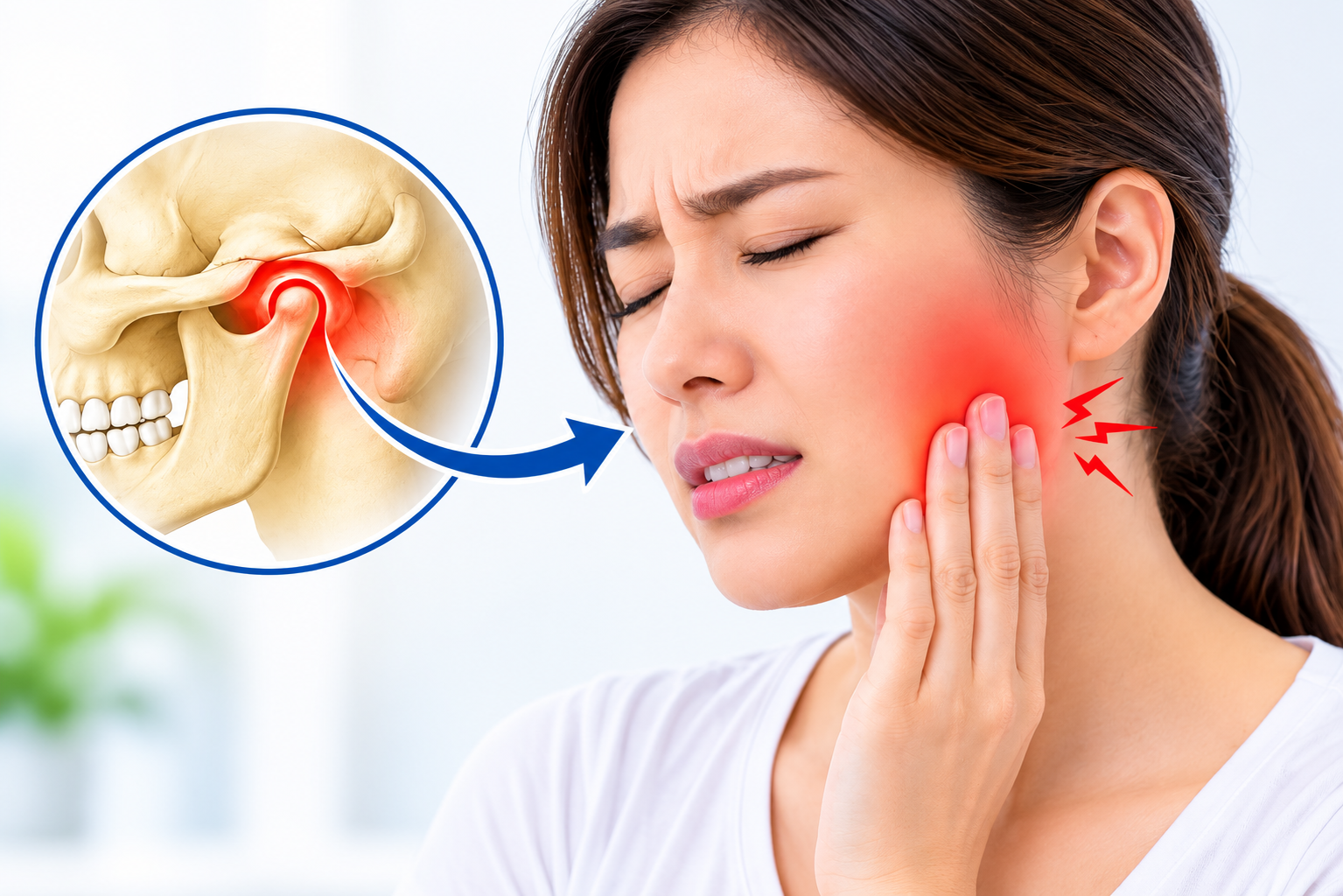
Jaw discomfort can make simple daily activities surprisingly difficult. Eating, speaking, yawning and even smiling may become uncomfortable when the jaw joint or surrounding muscles are not functioning properly. Some people also experience headaches, facial tenderness, clicking sounds or difficulty opening their mouths fully. These symptoms may be associated with temporomandibular joint (TMJ) disorders.
Understanding the possible causes of jaw pain and seeking appropriate care can help improve comfort and everyday movement. Physiotherapy may play an important role in managing certain types of TMJ related discomfort through guided exercises, manual techniques and lifestyle adjustments.
What Is the Temporomandibular Joint (TMJ)?
The temporomandibular joint connects the lower jawbone to the skull, allowing the mouth to open and close smoothly. You use this joint whenever you chew, speak, swallow or yawn. It works together with several muscles, ligaments and surrounding structures to support normal jaw movement.
When the joint or nearby muscles become irritated, strained or restricted, a person may develop a condition known as a temporomandibular disorder (TMD). These disorders can affect one or both sides of the jaw and may range from occasional discomfort to persistent pain.
The symptoms can vary depending on the underlying cause, which is why an appropriate assessment is important before choosing a treatment approach.
Common Causes of TMJ Pain
Jaw discomfort does not always have one specific cause. Several factors may contribute to problems involving the joint and surrounding muscles.
-
Teeth Grinding and Jaw Clenching
Repeatedly grinding the teeth or clenching the jaw can place additional pressure on the chewing muscles and joint. These habits may occur during sleep or when concentrating, working or experiencing stress.
-
Muscle Tension and Overuse
Excessive chewing, frequent gum chewing and prolonged jaw activity can strain the muscles responsible for controlling jaw movement. This may result in tenderness, stiffness and discomfort.
-
Poor Posture
Prolonged sitting, forward head positioning and poor neck alignment may contribute to tension around the neck, shoulders and jaw. Although posture is not the only cause of TMJ problems, it can be an important factor in some individuals.
-
Previous Injury
An injury involving the jaw, face or surrounding structures may affect normal joint movement. Previous trauma can sometimes contribute to ongoing discomfort or restricted movement.
-
Joint-Related Conditions
Inflammation, joint changes and problems involving the cushioning disc within the TMJ may contribute to pain, clicking or difficulty moving the jaw comfortably.
Recognising the Signs of TMJ Disorders
Symptoms may develop gradually or appear following an injury or period of increased muscle tension. Recognising common warning signs can help individuals seek appropriate professional advice.
Some frequently reported symptoms include:
- Pain or tenderness around the jaw joint.
- Clicking, popping or grinding sounds when opening the mouth.
- Difficulty opening or closing the mouth fully.
- Facial muscle tightness and discomfort.
- Headaches around the temples.
- Pain while chewing or biting food.
- Discomfort extending towards the neck and shoulders.
- A feeling that the jaw becomes stiff or temporarily locks.
Not every clicking jaw requires treatment, particularly when there is no pain or movement restriction. However, persistent discomfort, locking or difficulty eating should be assessed by an appropriate healthcare professional.
How Physiotherapy Can Help Manage TMJ Pain
Physiotherapy can support the management of TMJ related problems by addressing muscle tension, movement restrictions and contributing physical factors. Treatment should be selected according to an individual’s symptoms, assessment findings and functional needs.
-
Individual Assessment
A physiotherapy assessment may include reviewing the patient’s symptoms, jaw movement, muscle tenderness, neck mobility and posture. Understanding when the discomfort occurs and which activities make it worse helps guide an appropriate management plan.
-
Gentle Jaw Mobility Exercises
Controlled jaw movements may help improve movement and reduce stiffness. Exercises can focus on comfortable mouth opening, closing and controlled side-to-side movement. They should be performed within a comfortable range and guided by a qualified professional.
-
Manual Therapy
Depending on the assessment, a physiotherapist may use suitable hands-on techniques to address tension in the muscles surrounding the jaw and improve movement. These techniques are generally combined with active exercises and self-management advice.
-
Neck and Postural Exercises
The jaw and neck work together during many everyday activities. Exercises that improve neck mobility, postural awareness and muscle control may help address contributing movement patterns.
-
Education and Self-Management
Understanding everyday habits that increase jaw strain is an important part of treatment. Patients may receive guidance on reducing unnecessary clenching, avoiding excessive chewing and managing activities that aggravate their symptoms.
Simple Daily Habits to Support Jaw Comfort
Alongside professional care, small changes in everyday routines may help reduce unnecessary pressure on the jaw.
- Choose softer foods: Temporarily choosing foods that require less chewing may help when the jaw is particularly sensitive.
- Avoid chewing gum: Repeated chewing can increase the workload on already irritated jaw muscles.
- Relax your jaw: Keep your jaw relaxed when resting rather than holding your teeth tightly together.
- Use a comfortable posture: Avoid prolonged forward head positioning when working at a computer or using a mobile device.
- Apply gentle warmth: A comfortably warm compress may help ease muscle tension for some people.
- Manage stress: Relaxation techniques and regular breaks may help reduce unconscious jaw clenching.
- Follow prescribed exercises: Perform recommended movements consistently without forcing the jaw through painful ranges.
These habits are supportive measures rather than a replacement for professional assessment. If symptoms worsen, stop exercises that aggravate the discomfort and seek advice.
When Should You Seek Professional Help?
Occasional jaw clicking without pain may not require immediate treatment. However, ongoing pain, frequent headaches associated with jaw movement, restricted mouth opening and difficulty chewing deserve attention.
If the jaw becomes locked, movement is significantly restricted or symptoms interfere with eating and speaking, seek an appropriate healthcare assessment. Sudden severe pain, facial swelling, fever or symptoms following a significant injury also require prompt medical attention.
A dentist or doctor can help identify dental, joint related or other medical causes. Physiotherapy may be considered when movement and muscle-related factors are contributing to the problem. A coordinated approach can help ensure that treatment addresses the underlying concerns rather than focusing only on temporary symptom relief.
Support Better Jaw Movement with Physiotherapy
Living with persistent jaw discomfort can affect eating, communication, work and overall quality of life. Understanding the condition, recognising contributing habits and receiving appropriate professional guidance are important steps towards better jaw function.
At Pooja Physiotherapy & Health Care Centre, individuals can explore physiotherapy services and professional guidance for managing physical discomfort and improving movement. An individualised approach that considers symptoms, mobility and daily activities can help identify suitable treatment options.
If jaw pain, muscle tightness or restricted movement is affecting your everyday routine, consider seeking a professional assessment to understand your condition and discuss an appropriate care plan.
Visit Pooja Physiotherapy & Health Care Centre to learn more about the available physiotherapy services and take an informed step towards better movement and everyday comfort.
Frequently Asked Questions
-
What is the difference between TMJ and TMD?
TMJ refers to the temporomandibular joint that connects the jaw to the skull. TMD refers to disorders affecting this joint, the surrounding muscles or related structures, which may cause pain and movement difficulties.
-
Can physiotherapy help reduce TMJ pain?
Yes. Physiotherapy may help manage certain TMJ-related conditions through guided jaw exercises, manual therapy, postural training and education. The treatment approach depends on the individual’s condition and assessment findings.
-
What exercises are helpful for TMJ discomfort?
Gentle jaw opening and closing movements, controlled side-to-side movements and suitable neck mobility exercises may help some individuals. Exercises should be selected and demonstrated by a qualified healthcare professional.
-
Can stress make jaw pain worse?
Stress may contribute to unconscious jaw clenching and teeth grinding, increasing tension in the surrounding muscles. Relaxation techniques, awareness of jaw positioning and appropriate professional guidance may help manage these contributing habits.
-
How long does it take to recover from TMJ pain?
Recovery time varies depending on the cause, symptom severity, duration and individual response to treatment. Some people improve with conservative care, while others may require a longer management plan or assessment by additional healthcare professionals.